

Charleston water at a glance
- Water utility
- Charleston Water System
- Hardness
- 58.4 ppm (about 3.4 grains per gallon), described as moderately soft (Charleston Water System)
- Disinfection
- Chlorine dioxide and chloramines (Charleston Water System)
- Private wells
- Found in outlying parts of Charleston, Berkeley and Dorchester counties
Which utility serves your home?
Around Charleston, water comes from several utilities:
- Charleston Water System serves the City of Charleston and much of the surrounding area.
- Mount Pleasant Waterworks serves Mount Pleasant.
- Summerville CPW serves Summerville.
- Berkeley County Water & Sanitation serves parts of Berkeley County.
Check your water bill to see which one serves you. Each publishes its own annual water quality report, and our test measures what actually reaches your tap.
How hard is Charleston water?
Hardness in Charleston
Charleston Water System reports moderately soft water averaging 58.4 ppm, so for most homes on its water a softener is optional rather than needed. Mount Pleasant, Summerville and some nearby areas have their own utilities, so check which one bills you before assuming the same numbers apply.
Homes on private wells in rural Charleston, Berkeley and Dorchester counties are a different story and should be tested for hardness and iron.
Signs worth testing for
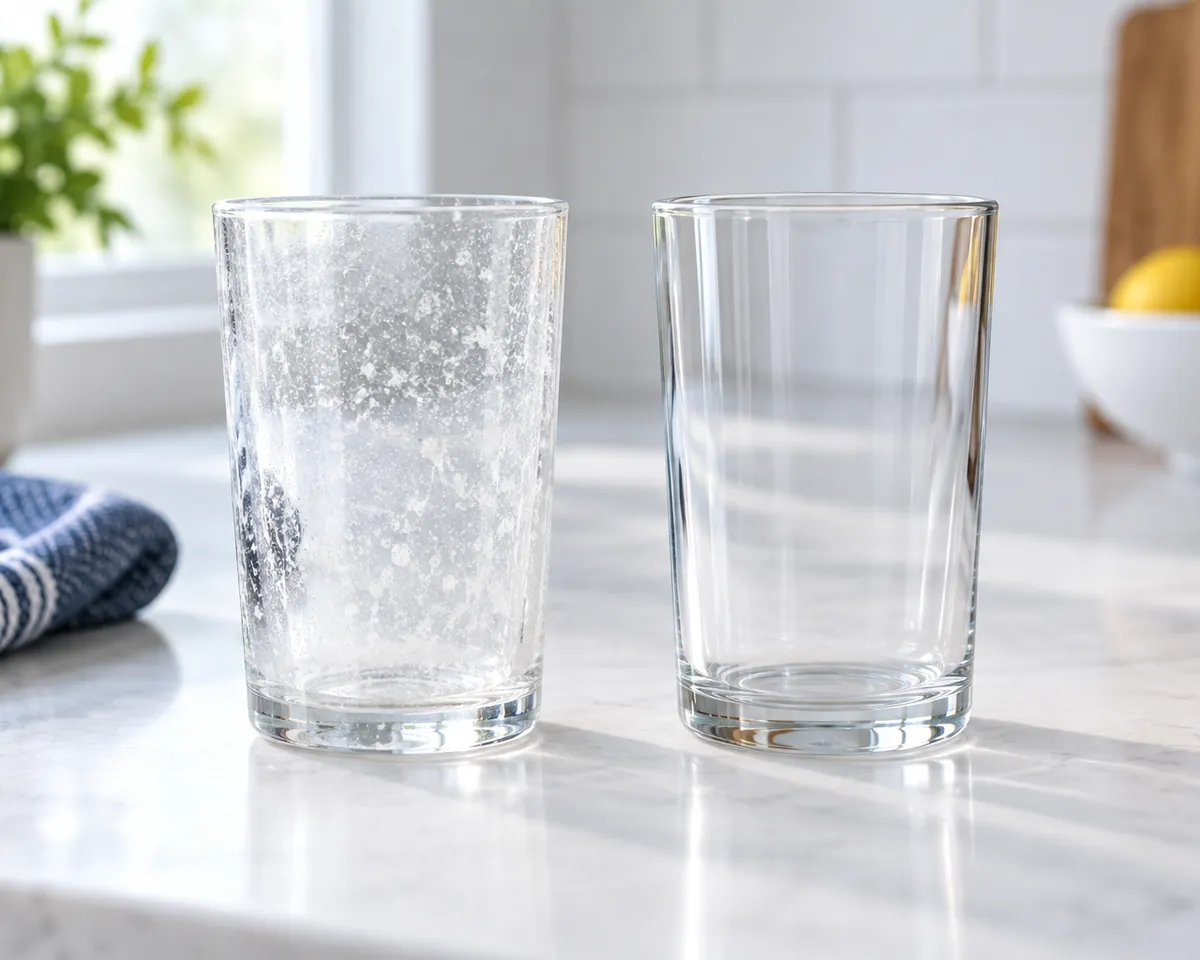
White crust on faucets, spots on glassware, soap that won't lather and scale in the water heater can all point to hard water, but dissolved solids and detergent residue cause similar marks. We measure both before recommending anything.
What a softener does, and doesn't
A softener trades calcium and magnesium for sodium or potassium and is sized to your hardness and household water use. It does not remove chlorine, chloramine, PFAS or lead; those need carbon filtration or reverse osmosis. How water softeners work.
What happens at your free test
Your free test measures hardness, chlorine or chloramine, iron, pH and total dissolved solids at your tap, and you keep the written report. We recommend a softener only if your results call for it. How the free test works.
See typical installed prices in our water softener cost guide.
Where we work around Charleston
We test homes across Charleston, West Ashley, James Island, Mount Pleasant, Summerville and Goose Creek.
Sources
- Charleston Water System: how hard is Charleston's water?
- Charleston Water System: how is the water disinfected?
- SCDES: well water quality testing services
Frequently asked questions
Is Charleston water hard?
Charleston Water System reports moderately soft water averaging 58.4 ppm, about 3.4 grains per gallon. Private wells vary, so testing shows your actual level.
Is Mount Pleasant water the same as Charleston water?
No. Mount Pleasant has its own water utility, Mount Pleasant Waterworks, with its own water quality report. Our test measures what reaches your tap either way.
Will a water softener fix chlorine or chloramine taste?
No. Softeners exchange hardness minerals and do not remove disinfectants. Carbon filtration, with catalytic carbon for chloramine, or reverse osmosis handles taste and odor.