

Myrtle Beach water at a glance
- Water utility
- Grand Strand Water & Sewer Authority (GSWSA), delivered through the City of Myrtle Beach
- Hardness
- About 54 mg/L (roughly 3 grains per gallon), classified soft (City of Myrtle Beach)
- Source
- The Intracoastal Waterway, fed by the Waccamaw and Pee Dee rivers, treated at GSWSA's Myrtle Beach plant (GSWSA)
- Disinfection
- Chloramine, GSWSA's primary disinfectant since 1993 (GSWSA)
- Private wells
- Common in unincorporated Horry County outside utility service areas
Which utility serves your home?
Around Myrtle Beach, water comes from several utilities:
- City of Myrtle Beach serves homes inside city limits, with water supplied by GSWSA.
- Grand Strand Water & Sewer Authority (GSWSA) serves much of unincorporated Horry County.
- City of North Myrtle Beach serves North Myrtle Beach, which buys part of its water from GSWSA's Bull Creek plant.
Check your water bill to see which one serves you. Each publishes its own annual water quality report, and our test measures what actually reaches your tap.
Chlorine or chloramine: what's in Myrtle Beach city water (GSWSA)?
| Chlorine | ChloramineYour water | |
|---|---|---|
| Stays active in the pipes | Shorter | Longer |
| Taste and smell | Stronger “pool” smell | Milder |
| Ordinary carbon filters | Remove it well | Remove it slowly |
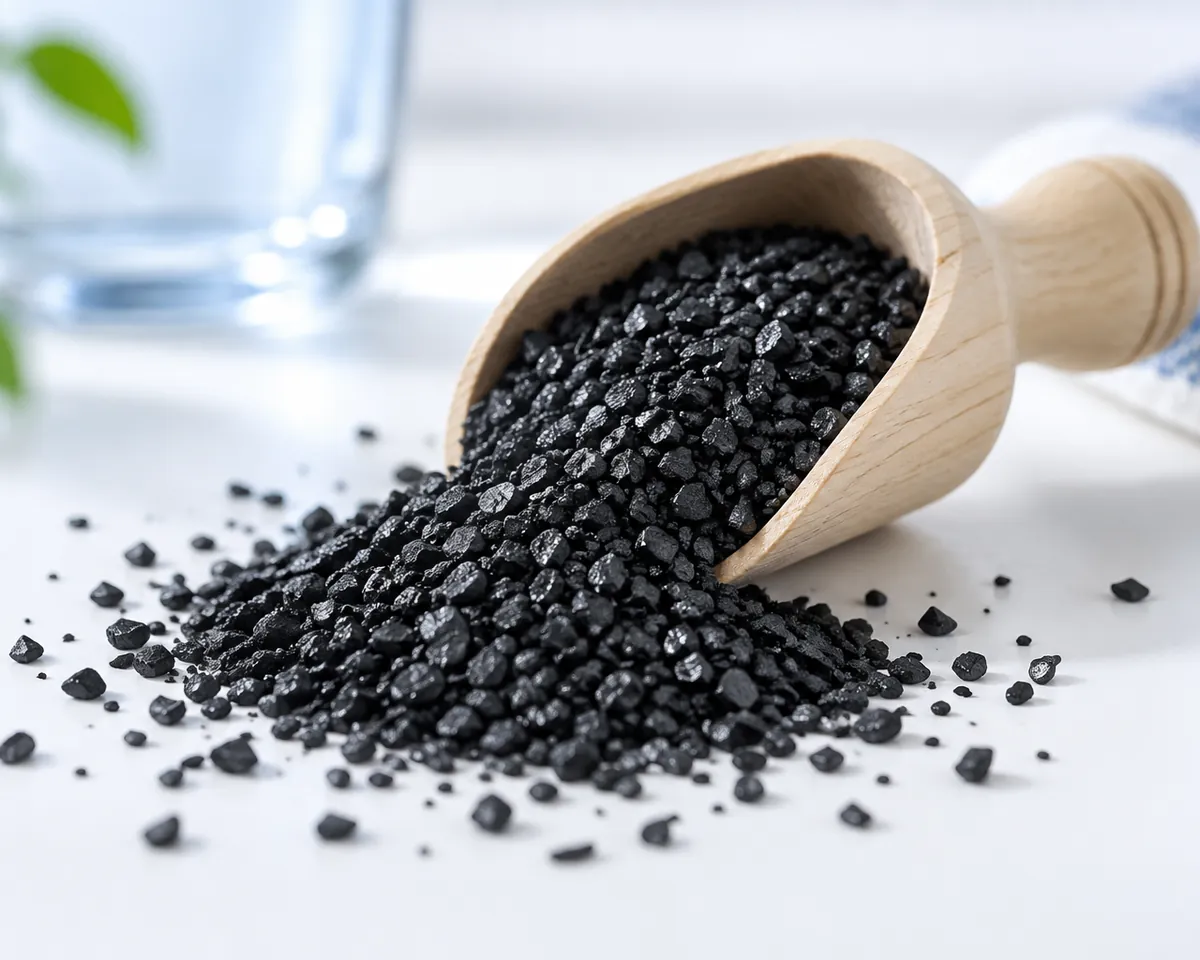
| Whole-house filter media | Standard activated carbon | Catalytic carbon |
Filtering Myrtle Beach city water
GSWSA disinfects its water with chloramine, its primary disinfectant since 1993 (GSWSA), and that is what most homeowners taste and smell at the tap. Chloramine needs catalytic carbon rather than standard carbon, and we confirm what is in your tap during your test.
A sediment stage ahead of the carbon catches grit that can come loose after main breaks or line work, and it protects the rest of the system and your fixtures.
City water or well water?
On city water, a whole-house system is usually a sediment stage plus carbon or catalytic carbon for taste and odor. Wells often need different media, such as an oxidizing filter for iron and sulfur, sometimes followed by a softener or UV. How whole-house filtration works.
What happens at your free test
Your free test measures hardness, chlorine or chloramine, iron, pH and total dissolved solids at your tap, and you keep the written report. We recommend a whole-house system only if your results call for it. How the free test works.
Where we work around Myrtle Beach
We test homes across Myrtle Beach, Carolina Forest, Socastee, Forestbrook and Surfside Beach.
Sources
- City of Myrtle Beach: treated tap water classified as soft
- GSWSA: Myrtle Beach Water Treatment Plant (Intracoastal Waterway source, ozone treatment)
- GSWSA: chloramine FAQ (chloramine is the primary disinfectant, since 1993)
- SCDES: well water quality testing services
Frequently asked questions
Does a whole-house filter help with the chlorine smell in Myrtle Beach?
Yes. Carbon media removes chlorine taste and smell at every tap. If your water carries chloramine instead, we use catalytic carbon, which is made for it.
Does a whole-house filter remove chloramine?
Standard carbon removes chloramine slowly. Catalytic carbon is designed for it and is what we use when testing shows chloramine in your water.
Whole-house filter or water softener?
They do different jobs. Filters target taste, odor, disinfectants and sediment; softeners target hardness minerals. Many homes need only one of them.